
Project Hero Blog - Weekly Best Practices and Tips
Project Management for Aspiring, New, and Accidental PMs
Search with The Project Management Search Engine by PMConnection. Search across only the Great Websites listed at PMConnection. See the list here.

What makes one project manager successful while another struggles? It isn't the project management software they use, their certification, or their ability to create a beautiful project schedule. In fact, some of the best project managers I have worked with have managed projects that were anything but easy. They dealt with changing requirements, difficult stakeholders, limited resources, unrealist...

Ask ten people what a project manager does, and you might get ten different answers. Some will say project managers create schedules. Others will say they run meetings, prepare status reports, assign tasks, or make sure projects stay on budget. I had a recruiter at a job fair suggest that I join their customer service team because I would be talking to IT managers on the phone all day. All of thos...

A project manager can communicate daily and still have a communication problem. There can be emails sent and received, weekly status meetings, dashboards, presentations, steering committee meetings, instant messages, and carefully prepared status reports. Everyone may be receiving plenty of information, yet stakeholders can still walk away with very different ideas about what the project is trying...
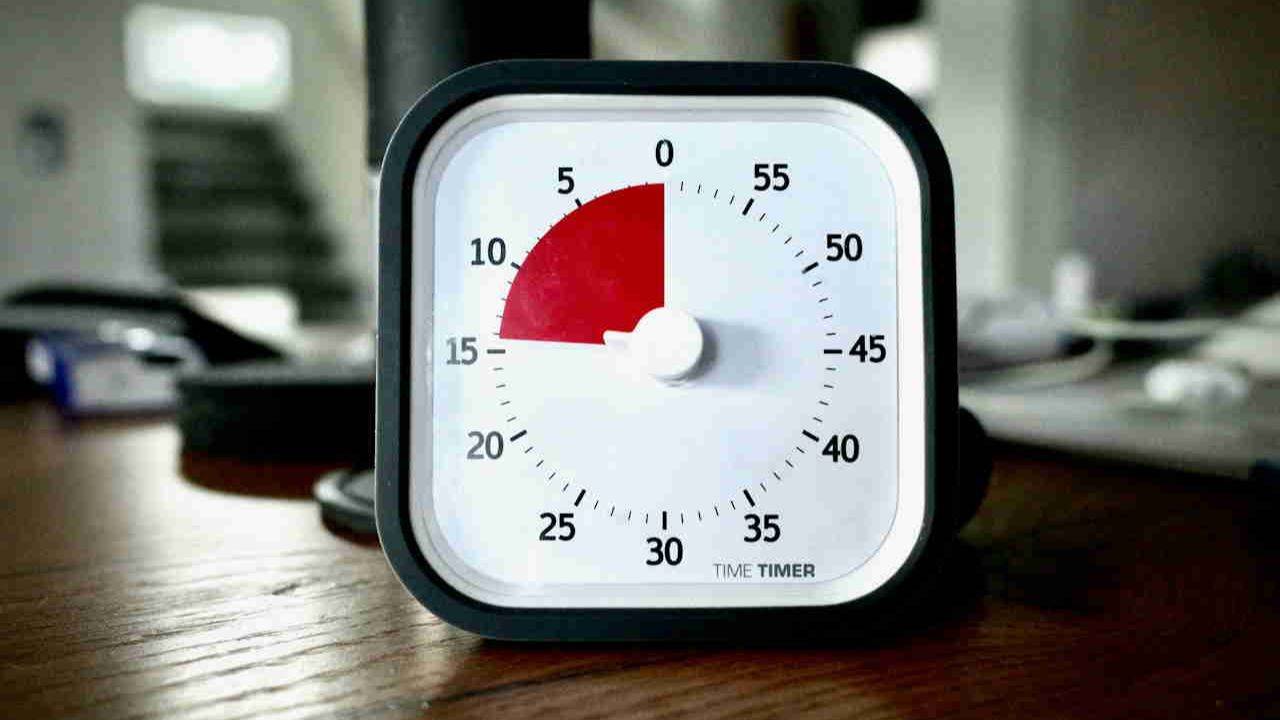
Have you or someone you know had their PMP certification quietly lapse because they ran out of time to earn PDUs? It happens more often than you think. Personally, I’ve come close a few times.
For PMP certification holders, the renewal clock starts ticking the day they pass the exam or their renewal is processed. It seems like there is plenty of time. After all, 60 hours is the equivalent of less...

Every manager eventually reaches the same conclusion: "We need another person." The workload is growing, deadlines are getting tighter, and everyone appears to be working as hard as they can. The obvious solution seems to be hiring another employee. More people should mean more work gets done.
Sometimes that's the right answer. However, after more than three decades of managing projects and leadi...

If you have spent any time in project management, you've probably heard these statistics. Depending on the study, a significant percentage of projects fail to meet their original objectives. They finish late and over budget or do not deliver on all expectations. The surprising part is that we've known why they fail for decades.
Research from industry organizations, academic institutions, and prof...

Virtual meetings have become an essential tool for organizational communications. Unfortunately, making meetings possible does not make them productive.
Most professionals have experienced virtual meetings that started late because of technical problems, didn’t cover the agenda, lasted longer than necessary, or ended without anyone knowing the next steps or who was responsible. When that happens,...

One question I am often asked is, "What is the time frame for total project completion?" Most people assume it is the date documented in the project charter or shown on the project schedule. The answer is more nuanced. Project completion involves more than reaching a calendar date. It means delivering a product, service, or result that satisfies the project's objectives, fulfills requirements, is ...

For local and online small business owners managing sales, payroll, and vendors week to week, the toughest decisions often land without clear financial visibility. The core tension is simple: money is moving, but without up-to-date reports and solid business financial management, financial decision-making gets driven by pressure, not facts. The importance of financial knowledge shows up quickly in...

Before the era of PowerPoint, presentations were often delivered with flip charts. During one quarterly sales update, a vice president of a prominent Fortune 100 company stood before the CEO, the senior leadership team, and the Board. Unfortunately, the vice president spent the presentation reading the flip charts word for word. After only a few moments, the CEO leaned forward and said, “I can rea...
Author
