
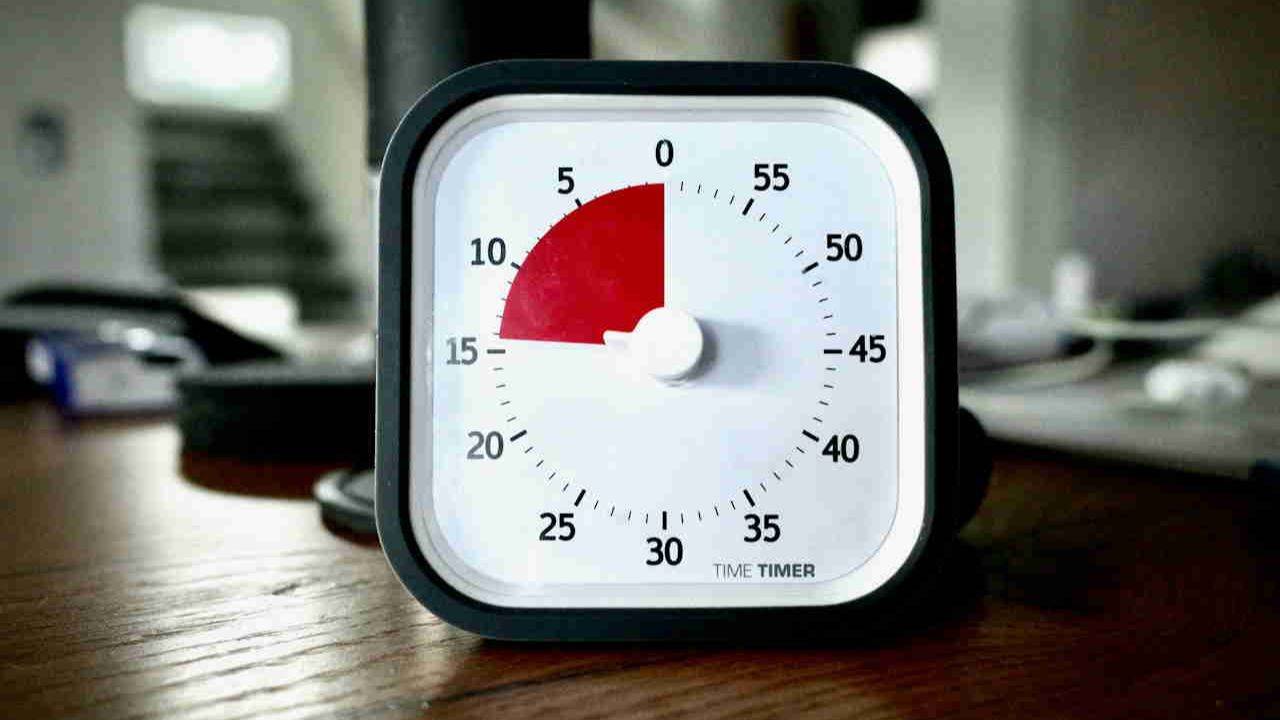
Have you or someone you know had their PMP certification quietly lapse because they ran out of time to earn PDUs? It happens more often than you think. Personally, I’ve come close a few times.
For PMP certification holders, the renewal clock starts ticking the day they pass the exam or their renewal is processed. It seems like there is plenty of time. After all, 60 hours is the equivalent of less than two work weeks, and you have three years to earn them. Then projects become busier, and work and family compete for attention. Before long, the renewal deadline is days or hours away. That's when many professionals begin searching for courses they can complete quickly, only to discover that some come with significant price tags.
Maintaining your PMP certification doesn't have to be expensive. In fact, many of the best opportunities to earn Professional Development Units (PDUs) are free or cost very little. Better yet, these activities can help you become a more effective project manager instead of simply checking a box for certification renewal. And more importantly, there are simple strategies to ensure these free PDUs are earned before renewal. Renewing your credential will be a natural byproduct of continuous learning.
PDUs Are About Growth
PMI's Continuing Certification Requirements (CCR) program encourages ongoing growth. Project management is a journey, not a destination. While earning PDUs is essential, the bigger goal is to help project managers keep improving throughout their careers, fostering a sense of progress and purpose.
It’s impossible to learn everything quickly and rely on that knowledge forever. There are new skills to learn, new technologies emerge, leadership practices and methodologies evolve, and artificial intelligence is already changing how many project managers perform their jobs.
If you're learning consistently, you'll likely have numerous qualifying hours long before your renewal deadline arrives. Management will see the increased value you add to the organization, which will lead to increased salaries and promotional opportunities.
Learn the Requirements
As soon as your renewal cycle begins, be sure to understand exactly what is required. The current requirements (2026) include 60 PDUs spread over two major categories: Giving Back and Education. In general, one PDU is one hour of education or giving back, but there are some exceptions. The handbook will further break down the categories and limit the number of PDUs that can be earned in some categories.
These renewal requirements are subject to change. Go to PMI.org and download the latest copy of the Continuing Certification Requirements Handbook. The handbook will have the latest requirements for all PMI certifications, not just the PMP. When performing renewal activities available through PMI websites, some activities include the number of claimable PDUs in the description. In all other cases, assume one hour is one PDU.
Start with Books
Reading one quality book every few months can significantly expand your knowledge while steadily contributing toward your professional development. It's usually free to borrow them from a library, or you can find some online. There is no shortage of excellent books covering leadership, communication, scheduling, risk management, stakeholder engagement, Agile practices, negotiation, and many other skills and topics that make project managers more effective. Some of the best lessons I've learned over the years came from books rather than formal classrooms.
Don't limit yourself strictly to textbooks or books labeled "project management." Leadership, emotional intelligence, strengths identification and utilization, organizational behavior, business communication, and change management are all valuable subjects that help project managers become more effective leaders.
As you read, take notes on key concepts and think about how they apply to your projects. Recording your hours is quick and simple. Click the “Report PDUs” button on your PMI Dashboard to feel supported and in control of your renewal process.
Free Online Courses
The internet has made professional education more accessible than ever before. Many universities, technology companies, and professional organizations offer free online courses covering subjects directly related to project management. Topics range from leadership and communication to data analysis, artificial intelligence, Agile, business strategy, and software tools. Google even offers a project management certificate with free courses.
Some platforms allow you to audit courses without paying for a certificate. If your goal is learning rather than collecting certificates, this can be an excellent value.
Don't overlook resources provided by software vendors and membership sites, either. Microsoft Learn and LinkedIn Learning (there is a one-month free trial), for example, offer numerous free courses that many project managers take every day. Improving your technical skills can often make you a more effective project leader.
When selecting free courses, prioritize those that genuinely expand your capabilities to ensure your learning benefits your project management skills.
Bookmark ProjectManagement.com
If you're a PMI member, one of the most valuable, and often underutilized, resources is ProjectManagement.com. The site offers an extensive library of free webinars covering nearly every project management topic imaginable. No matter what your interest, you'll likely find multiple presentations from experienced practitioners.
Even better, many webinars are available on demand, allowing you to learn whenever your schedule permits. Instead of setting aside an entire day for training, you can complete a webinar during lunch, while traveling, waiting in line, or during a quiet afternoon between projects.
One feature I particularly appreciate is that qualifying webinars usually report PDUs automatically for PMI members. That eliminates the paperwork and reduces the chance of forgetting to record an activity months later. It's difficult to find another resource that provides so much professional development at no cost.
And pro tip: don’t stop with projectmanagement.com. PMI.org has a learning tab that also offers a rotating variety of courses, many of which are also free. For example, for my latest renewal, I completed five free courses to prepare for an AI certification. The time was recorded automatically, and some of the courses broke the one hour equals one PDU rule, allowing me to complete the renewal with fewer than 60 hours of work.
Volunteer and Build Experience
One of the best ways to earn PDUs is also one of the most rewarding. Many PMI chapters rely heavily on volunteers to organize meetings, manage events, coordinate educational programs, improve chapter operations, and support special initiatives. These activities frequently involve real project management work while allowing you to collaborate with experienced professionals from a variety of industries.
If you've never volunteered with your local chapter, I encourage you to consider it. Beyond earning PDUs, the benefits include an expanded professional network, developing new skills, and gaining experiences that may translate directly back to your full-time job. Volunteer opportunities don't have to be limited to PMI, either. But each hour as a PMI volunteer may qualify for a PDU, up to a prescribed limit in the certification handbook.
Nonprofit organizations (e.g., Habitat for Humanity), schools, community groups, and charitable organizations frequently need help planning events, coordinating fundraising efforts, implementing technology projects, or organizing volunteers. Many have worthwhile projects but lack experienced project managers. Helping these organizations can be personally rewarding while giving you opportunities to practice leadership in situations that may differ from your day job.
Share What You've Learned
Teaching is one of the best ways to master a subject and retain the knowledge. Writing articles, giving presentations, mentoring newer project managers, creating educational videos, or leading workshops all require you to organize your thoughts and explain concepts clearly. During that process, you'll often discover gaps in your own understanding that might otherwise go unnoticed.
I've found that writing books and articles and creating videos forces me to think carefully about how to explain concepts in easy-to-understand terms. Sometimes I begin writing believing I completely understand a topic, only to realize I need to research one aspect more thoroughly before I can explain it well.
That additional learning benefits both the writer and the reader. If you've developed expertise in scheduling, stakeholder management, risk management, Microsoft Project, Agile practices, or any other area, consider sharing your knowledge with others. You may be surprised how much you learn in the process.
Podcasts and Other Learning Opportunities
Learning doesn't always require sitting in front of a computer and can be informal. Perhaps you’ve attended a “lunch and learn” on project management or a related skill at work.
Project management podcasts have become increasingly popular and often feature interviews with experienced practitioners discussing real-world challenges. Leadership podcasts, technology discussions, and business strategy programs can also provide valuable professional development.
Listening during a commute, while exercising, or during routine household chores can turn otherwise unproductive time into learning opportunities. Just remember that the content should be relevant to your professional development. Choose programs that genuinely help you improve your effectiveness as a project manager.
Keep Good Records
One mistake I see repeatedly is waiting until renewal time to figure out where all those PDUs came from. Instead, develop a simple tracking system from the beginning of your certification cycle. Better yet, record the accomplishment immediately on completion via your PMI Dashboard. Alternatively, a basic spreadsheet works perfectly well. Record the activity, provider, date, number of hours, and any supporting documentation you generate or receive.
Save certificates of completion, webinar confirmations, volunteer records, presentation materials, and notes from educational activities. You probably won't need them, but PMI does conduct audits of PDU submissions. Having organized records makes the process straightforward should you ever be selected. More importantly, maintaining your records as you go eliminates the stress of trying to reconstruct three years of learning from memory.
Spread Out Your Learning
Waiting until the final few months before your certification expires usually creates unnecessary pressure. A much better strategy is to make learning a regular part of your professional routine.
Complete a qualifying activity when your schedule allows. Before long, you'll find that your PDUs accumulate quickly. Remember, if you break down the 60 PDU requirement over three years, that means you need to spend 20 hours of learning per year, or sometimes less.
This approach also gives you flexibility. If an unexpected work assignment or personal commitment interrupts your plans, you still have plenty of time remaining in your certification cycle.
More importantly, you'll retain what you learn. Cramming dozens of hours of training into a few weeks might satisfy a certification requirement, but it rarely produces lasting professional growth.
Mistakes to Avoid
Although earning PDUs is generally straightforward, a few common mistakes create unnecessary headaches. The biggest is procrastination. Every certification cycle seems long at first, but three years pass surprisingly quickly.
Another common mistake is failing to document completed activities. Good recordkeeping takes only a few minutes after each activity but can save hours of frustration later.
Finally, don't assume expensive training is automatically better. Some of the finest presentations I've attended have been free webinars delivered by experienced practitioners who wanted to share what they had learned throughout their careers. Professional development should always be measured by what you learn, not by what you spend.
It’s Not Expensive
Maintaining your PMP certification doesn't have to be expensive. In fact, many of the most valuable learning experiences cost little or nothing at all.
Reading books, watching free webinars, completing online courses, volunteering, mentoring others, and sharing your own knowledge can all contribute to your professional development while helping you earn the PDUs needed for certification renewal. And while I’ve attempted to cover all the free PDUs, I’m sure I’ve missed some. Please share any additional ones in the comments below.
If you approach continuing education as an ongoing investment in yourself instead of a last-minute requirement, you'll discover that renewing your certification becomes almost effortless. Even better, you'll continue developing the knowledge and leadership skills that made earning the PMP worthwhile in the first place.
After all, the letters after your name may help open doors, but it's your continued learning that will help you succeed once those doors are open.
Related Articles:
What Comes After Certification in a Long PM Career?
Building a Long-Term PM Career Strategy
5 Keys to Owning Your Project Management Career
Your Project Management Career is a Journey
Additional Resources:
Subscribe for Our Project Management Resources, Best Practices, and Tips
Confirm your subscription to receive an email with immediate download access to Project Manager's Resources, a valuable list of books and web sites.
Get the latest tips and updates sent directly to your inbox monthly.
We hate SPAM. We will never sell your information, for any reason.